
Warm greetings to all parents, teachers and fans of color! I'm Ornella Onio, the founder of Disegnidacoloraremondo. Com.
As a mother, educator and lover of color, I have always believed in the magical power of coloring pages. I still remember the emotion of seeing my son concentrated on choosing the right shades to bring to life a character from his favorite cartoons, or the joy of a little girl who proudly showed me her drawing of a flowery meadow.
Coloring is not just a pastime, it is a journey into creativity, an opportunity to express emotions and develop valuable skills. But how can we adults accompany children on this journey and make the coloring experience even more meaningful and fun?
1. Creating the Ideal Environment for Coloring: A Corner of Magic
Think of a welcoming and quiet place, where children can feel free to express their creativity without distractions. A small desk, a kitchen table or even a corner of the living room can be transformed into an oasis of color and imagination.
Illuminate Creativity
Make sure there is good lighting, natural or artificial, to avoid straining your eyes. Warm, diffused light can create a relaxing atmosphere and promote concentration.
Organize Materials Carefully
Colored pencils, markers, wax crayons, watercolors… every child has their favorite tools. Arrange them in an orderly and accessible way, so that children can freely choose what to use. A colorful pen holder, an animal-shaped box of crayons or a personalized pencil case can make the creativity corner even more inviting.
A Touch of Magic
Decorate the space with colorful pages, inspiring posters or small objects that recall the world of fantasy. A touch of magic can make the difference and make the coloring experience even more special.
2. Choose the Right Designs for Every Age and Interest
Every child is unique, with their own tastes and preferences. Choosing coloring pages suited to the child's age and interests is essential to stimulate his curiosity and desire to create.
From the First Steps to the World of Colors (0-3 years)
For younger children, pages should be simple and intuitive, with large shapes and well-defined outlines. Animals, fruit, toys and cartoon characters are ideal subjects for this age group.
According to a study published in the journal Infant and Child Development, young children are attracted to bright colors and strong contrasts, which help them distinguish shapes and develop visual perception.
Curious Explorers (4-6 years)
At this age, children are increasingly attracted to fantastic stories and characters. Princesses, superheroes, talking animals and means of transport are just some of the themes that can stimulate their imagination.
A study published in The Journal of Creative Behavior showed that preschoolers who regularly draw and color show a greater ability to solve problems creatively and flexibly.
Growing Artists (7-10 years)
Older children are ready for more complex challenges and more detailed pages. Mandala, realistic animals, sports scenes and space adventures are just a few examples of our illustrations, designed to stimulate their concentration, precision and artistic sense.
According to research published in The Arts in Psychotherapy, coloring can help school-age children improve their self-esteem and their ability to express their emotions.
Adolescents and Adults: A World of Relaxation and Creativity
Even adults can find an oasis of peace and creativity in coloring pages. Mandala complex, intricate floral patterns, artistic illustrations and nature-inspired designs offer a way to unplug, relax and refocus.
A study published in the Journal of the American Art Therapy Association showed that coloring can significantly reduce stress and anxiety levels in adults.
3. Encourage Creativity and Personal Expression
Remember, there are no right or wrong designs. Every child is a unique artist, with his or her own style and vision of the world. Encourage them to experiment with colors, mix techniques and go outside the edges.
Let them be wrong
Don't be afraid to let children make mistakes. Mistakes are an opportunity for learning and growth.
The Importance of the Creative Process
Don't just focus on the final result, but enhance the creative process. Observe how your child chooses colors, how he combines them and how he brings characters to life.
Avoid Judging
Don't judge or criticize their work, but rather praise their effort and commitment. Let them understand that their work is valuable and unique, regardless of the end result.
4. Use Coloring Pages as an Educational Tool
Coloring pages can be a valuable educational tool, useful for:
- Teaching new concepts: Through pages, children can learn new information about animals, plants, geography, history and much more.
- Stimulate conversation: Ask children questions as they color, encouraging them to reflect on the drawing and express their ideas.
- Promote language development: asking children to describe their pages and invent stories stimulates the development of language and storytelling skills.
Practical Tips
- Choose themed pages, such as animals, plants, maps or historical scenes, to introduce new topics.
- Create a "creativity corner" where children can color freely and display their works.
- Organize group activities, such as drawing competitions or themed coloring sessions.
Disegnidacoloraremondo.com: Your Travel Companion in the World of Colors
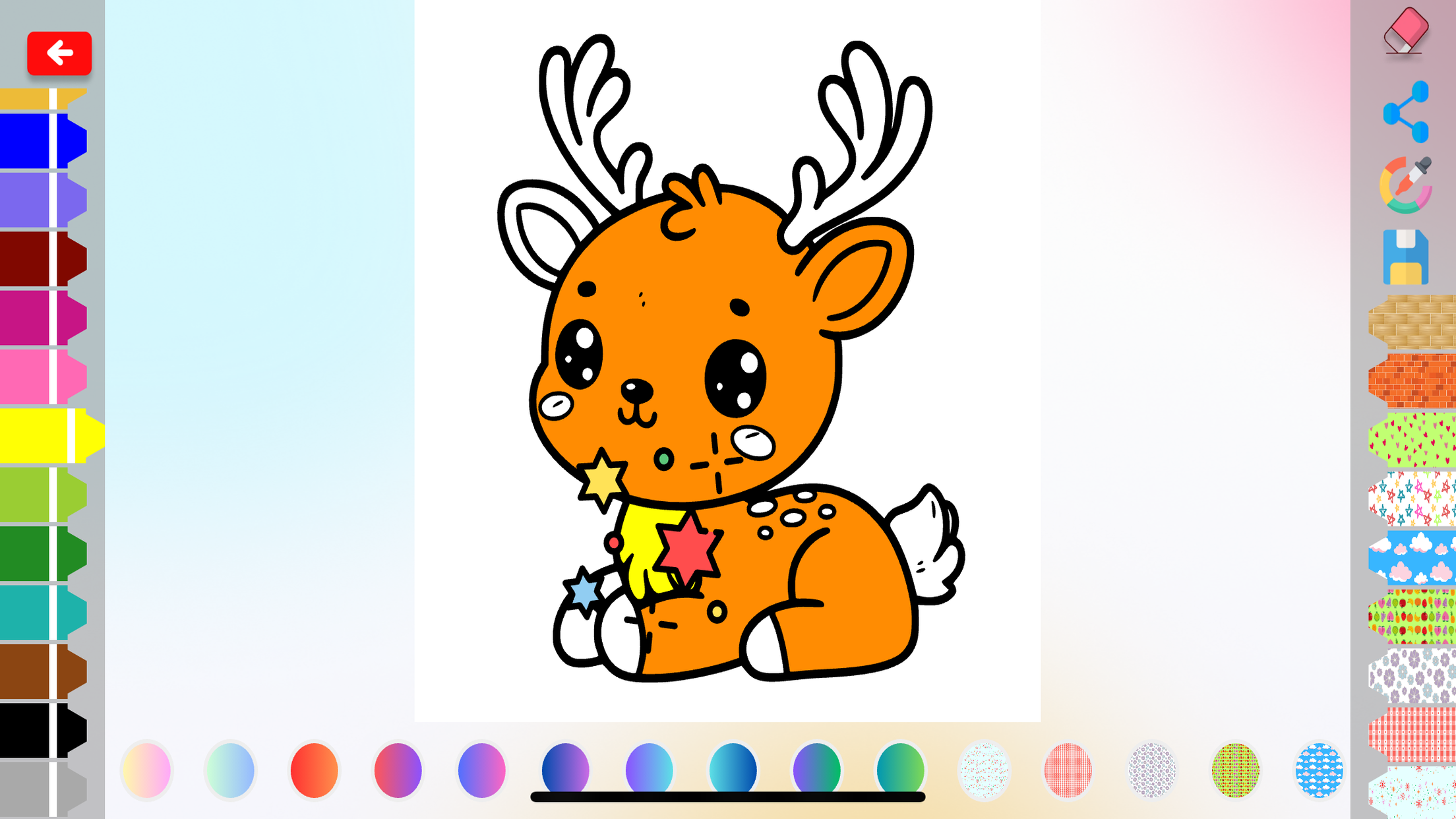
Su Disegnidacoloraremondo.com, you will find a wide range of coloring pages for all ages and interests, ready to be downloaded, printed or colored online.
I invite you to explore our site and be inspired by the magic of colors. Good fun!

Since she was little, Ornella has always seen the world as a canvas to be filled with colours. Transforming a blank sheet of paper into a work of art was her greatest passion and the one that led her to create Disegnidacoloraremondo.com. With training as a teacher, Ornella understands the value of coloring in children's development. Through the site, she shares her love for art and creativity, dreaming of a world where everyone can express themselves at their best.